Best Time to See the Great Migration in Tanzania: A Month-by-Month Guide
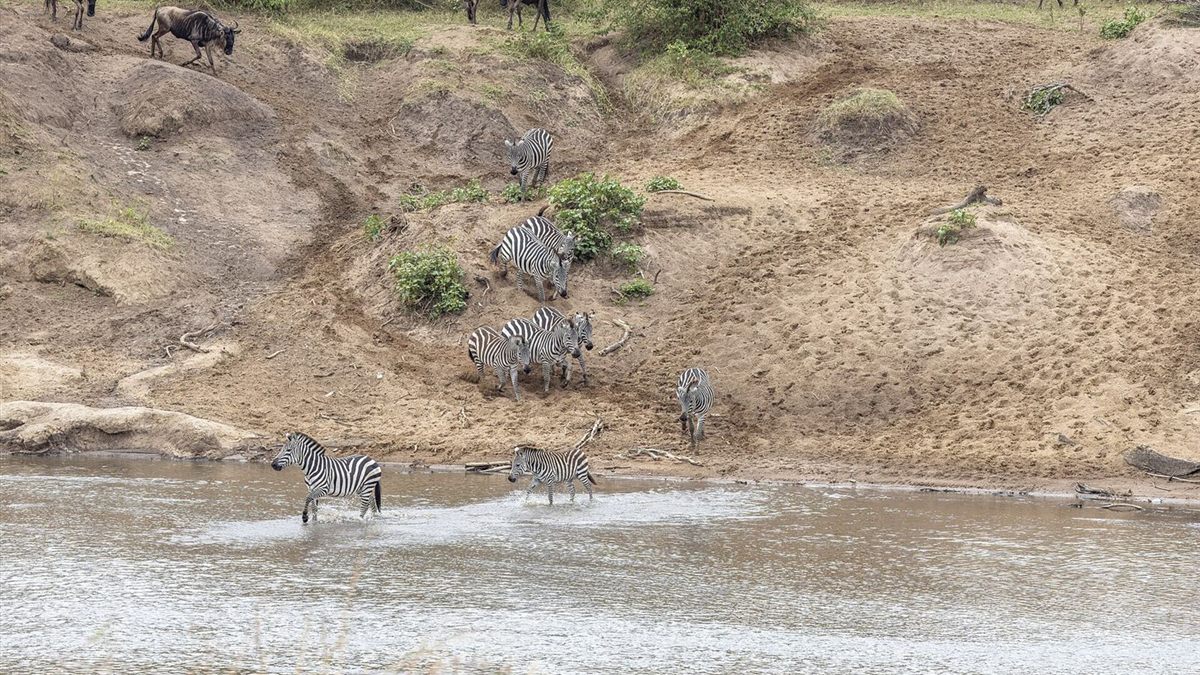
Around 1.5 million wildebeest, together with hundreds of thousands of zebras and gazelles, walk in a giant loop through the Serengeti every year. They follow the rain and the fresh grass, and lions, cheetahs, hyenas and crocodiles follow them. It's called the Great Migration, and it is one of the greatest wildlife shows on Earth.
The most common question we hear is: "When should I go?" The honest answer is that the migration never stops, so there is no single "best" month. There is only the best month for what you want to see. This guide shows where the herds usually are, month by month.
Remember: the migration follows the rain, not the calendar. If the rains come early or late, the herds move early or late too. Use this as a guide, not a guarantee, and ask your operator where the herds are when you book.
The Great Migration month by month
| Month | Where the herds usually are | What's happening |
|---|---|---|
| January | Southern Serengeti & Ndutu | Herds settle on the short-grass plains. Calving begins late in the month. |
| February | Southern Serengeti & Ndutu | Peak calving season. Hundreds of thousands of calves are born, and predators are everywhere. |
| March | Southern Serengeti | Calves grow stronger. The long rains begin late in the month. |
| April | Southern & central Serengeti | Long rains; the herds start moving north-west. Green, quiet and good value. |
| May | Central Serengeti & Western Corridor | The rut (mating season). Long columns of animals head west. |
| June | Western Corridor | Herds gather by the Grumeti River, and the first crossings begin. |
| July | Western Corridor & northern Serengeti | Grumeti crossings, then the herds push north. The first Mara crossings are possible late in the month. |
| August | Northern Serengeti (and Kenya's Masai Mara) | Mara River crossings at their busiest. Peak season. |
| September | Northern Serengeti (and Masai Mara) | Crossings continue in both directions. Dry, clear weather. |
| October | Northern Serengeti | Crossings still possible. Herds start turning south as the short rains approach. |
| November | Eastern & central Serengeti | Short rains. The herds stream south through the Lobo and Seronera areas. |
| December | Southern Serengeti & Ndutu | The herds arrive back on the southern plains, ready for calving. |
Choose your migration moment
1. Calving season: late January to February
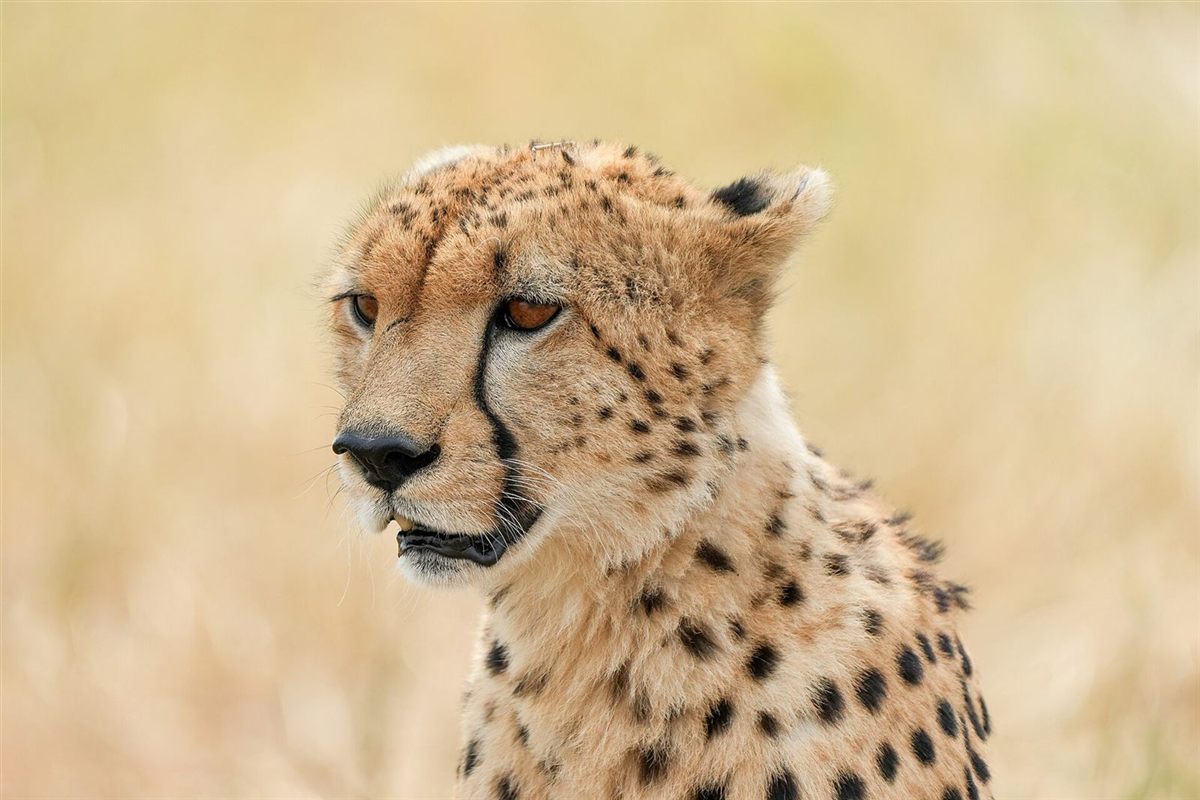
On the southern plains around Ndutu, hundreds of thousands of wildebeest calves are born within just a few weeks. Within minutes of birth, a calf is on its feet and running. With so many young animals around, lions, cheetahs and hyenas are very active. It's one of the best times of the year for predator sightings, and prices are lower than in July to September.
Good to know: Ndutu is part of the Ngorongoro Conservation Area, so you'll pay Ngorongoro fees there as well as Serengeti fees elsewhere. See our Serengeti park fees guide.
2. The green season: April to May
This is the quietest and cheapest time. Heavy rains turn the plains bright green, and the herds start moving north-west. You'll see fewer vehicles and lower prices, but some roads get muddy and some camps close. In May you might see the rut, when male wildebeest fight noisily for mates.
3. Grumeti River crossings: June to July
In the Western Corridor, the herds cross the Grumeti River, where some of Africa's largest crocodiles wait. The crossings are smaller and less famous than the Mara, but there are also far fewer vehicles.
4. Mara River crossings: July to October
This is the famous scene: thousands of wildebeest gathering on a steep riverbank, hesitating, then plunging into the fast water. It's dramatic, emotional and unforgettable. It's also peak season, with the highest prices and the most visitors, so book 6 to 12 months ahead.
How to plan the perfect migration safari
- Stay near the herds. The Serengeti is huge. Choose a lodge or camp in the right area for your month, or a mobile camp that moves with the migration.
- Give it time. For river crossings, spend at least 3 nights in the northern Serengeti. Herds can wait on the riverbank for days before crossing.
- Be patient at the river. Good guides wait quietly at a distance. Crowding the bank can stop a crossing from happening.
- Consider flying. The northern Serengeti is a long drive from Arusha. A flight one way can save a full day on the road.
- Add a balloon flight. Watching the herds from the air at sunrise is a once-in-a-lifetime experience.
- Remember the herds are wild. Even in the "right" month, sightings are never guaranteed. Every safari is different.
Plan your migration safari with confidence
Our Tanzania Travel Prospectus 2026/27 is a complete trip-planning bundle written in Dar es Salaam. You get:
- A 26-page illustrated guide with a migration calendar, maps of the Serengeti and the Northern Circuit, and 2026/27 park fees
- Editable day-by-day itineraries for budget, mid-range and luxury trips
- A budget calculator that adds up every park fee for your group
- A checklist for choosing a trustworthy safari operator, plus an 80-phrase Swahili sheet
Launch offer: 30% off with code KARIBU30 until 11 November 2026.
Frequently asked questions
What is the best month to see the Great Migration?
For river crossings, July to October in the northern Serengeti. For calving and predators, late January to February in the southern Serengeti and Ndutu.
When is the calving season?
Usually late January to February, on the southern Serengeti plains and around Ndutu.
Can I be sure to see a river crossing?
No. Crossings happen when the herds decide. Give yourself at least three nights in the north, with an experienced guide.
Is the Great Migration in Tanzania or Kenya?
Both. The herds spend most of the year in Tanzania's Serengeti ecosystem and cross into Kenya's Masai Mara for part of the dry season, roughly August to October.
Keep reading
- Serengeti National Park fees 2026/27: what you’ll really pay
- Serengeti Shall Not Die: the film, the Grzimeks and the grave on Ngorongoro
Migration timings are typical patterns and change from year to year with the rains. Checked October 2026; ask your operator where the herds are before you book.
Join the conversation